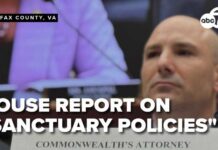
A new government report revives a core fear on left and right: federal power was steered at parents who spoke up at school board meetings, blurring the line between safety and speech.
Story Highlights
- A Justice Department working group report spotlights the 2021 school-board memo and how it came about.
- Attorney General Merrick Garland said the memo targeted threats and set up assessment, not prosecutions.
- The National School Boards Association sent a letter, later retracted, that helped trigger federal action.
- No federal criminal cases against parents for ordinary criticism are shown in the cited record.
What the New Report Says Happened
House and administration documents say a Justice Department working group has released a detailed report on the October 4, 2021 memo from Attorney General Merrick Garland. The report describes how the memo was produced and circulated, and how it directed the Federal Bureau of Investigation and United States Attorneys to coordinate on threats involving school officials. Critics say the report shows political pressure shaped federal posture toward parents who protested during the pandemic and curriculum fights.
The timeline is central. On September 29, 2021, the National School Boards Association sent a letter to the White House urging federal help over alleged threats to school boards. Days later, on October 4, 2021, Garland issued the memo citing a “disturbing spike” in harassment, intimidation, and threats, and ordering coordination and dedicated reporting lines for threat assessment. Weeks after backlash, the National School Boards Association apologized and withdrew its letter.
What Garland and Defenders Argue
Garland and supportive sources state the memo targeted violence and threats, not debate. The memo’s text said spirited debate is protected by the Constitution and emphasized identifying and prosecuting threats “when appropriate,” alongside meetings with local partners to address safety. In Senate questioning, Garland called the directive “an assessment step that comes before investigations,” framing it as a safety measure, not a speech crackdown. This view holds that protecting officials and protecting speech can and must coexist.
The public record cited here does not show federal criminal prosecutions of parents for ordinary school-board criticism. That matters for judging claims that the Justice Department criminalized dissent. The memo’s language focused on conduct that crosses into crimes, such as true threats. Supporters argue federal involvement can help when threats span states or online networks. They also note that heated meetings were common during the pandemic, and safety planning is a normal government function.
Why Critics See “Weaponization”
Opponents argue intent and effect still matter. They say the National School Boards Association letter, which likened some conduct to domestic terrorism before being retracted, gave a flawed basis for federal action. They claim internal pushback and political pressure helped drive a sweeping federal posture that risked chilling speech by parents who challenged masks, closures, and curriculum. They point to reporting that describes staff concerns the effort looked like an “anti‑MAGA task force” in practice.
Emails and oversight materials cited by critics suggest unease inside the department and the broader law enforcement community about optics and scope. They argue that when Washington steps into local school disputes, even for threats, many citizens feel watched. For families already weary of culture fights and rising distrust in institutions, that feeling reinforces the belief that powerful insiders police viewpoints they dislike.
The Shared Concern: Safety vs. Speech
Parents, teachers, and local boards all deserve safety. Communities also need open debate on schools. This case shows how fast the balance can break when national politics enters local rooms. The memo’s text aimed at threats, yet the path to the memo ran through a letter later disowned by its authors. That sequence fuels suspicion across the spectrum that leaders react to pressure before checking facts, and that regular people pay the price in chilled voices.
DOJ report is putting fresh scrutiny on how the Biden—Garland Justice Department responded to parents who spoke out at school board meetings.
The report says federal officials explored potential investigations and prosecutions involving parents, while internal documents… pic.twitter.com/hhcZuD9Bg7
— Scott Strick (@mailopened) October 5, 2026
The broader lesson is practical. Clear guardrails help. If Washington must address threats tied to local governance, the government should publish narrow standards, share data on outcomes, and close programs that do not meet them. Transparent steps could protect both safety and free speech. They would also show respect for parents who feel ignored by elites and for educators who feel exposed to real danger. Trust starts with limits, sunlight, and results people can see.
Sources:
floridianpress.com, judiciary.house.gov, forth.news, wng.org, foxnews.com
© libertystartribune.com 2026. All rights reserved.