Days after President Trump paused most new Russia sanctions, Ukraine’s leader said Washington is pressuring Kyiv—while Moscow gets relief.
Story Highlights
- President Trump waived most provisions of a new Russia sanctions law before they took effect.
- President Volodymyr Zelenskyy said the move helps Russia and pressures Ukraine to yield.
- Trump argued delaying sanctions keeps Russia at the negotiating table and preserves leverage.
- Public clashes escalated as Trump accused Zelenskyy of not wanting to end the war.
What changed: Sanctions paused before the start date
On October 16, 2026, President Trump signed an executive order waiving most provisions of a newly passed Russia sanctions package days before it was set to begin. Reports linked the law, known as the Lindsey Graham Act, to efforts to cut Moscow’s war financing and deter buyers of Russian energy. The waiver reduced immediate economic pressure on Russia and stirred sharp reactions in Kyiv and Washington. The White House framed the move as serving United States national interests.
President Trump’s order affected measures that lawmakers had designed to restrict Russian revenue. Coverage described the action as a broad pause rather than a narrow technical fix. The timing mattered. It came two days before implementation, signaling a major shift in near-term pressure. While executive branches often manage how sanctions roll out, this step overrode much of Congress’s intent at the last moment, leaving allies to guess what leverage Washington planned to keep in reserve.
Kyiv’s charge: Pressure on Ukraine, relief for Russia
President Volodymyr Zelenskyy said the United States was leaning on Ukraine, not Russia. In a Bloomberg interview from Kyiv, he argued that Washington was pressing Ukraine to scale back, including on strikes against Russian diesel refineries, while Moscow received a reprieve on sanctions. He called the waiver “wrong” and said it would reward the Kremlin financially, not end the war. He warned that cutting pressure on Russia would invite more attacks and make a fair settlement harder.
Zelenskyy’s critique focused on an imbalance. He linked public calls to limit Ukraine’s military options with fresh economic breathing room for Russia. That pairing, he said, looked like pressure to capitulate. His comments reflected a broader concern shared by many citizens in the United States—that powerful leaders make deals that ordinary people pay for. He did not present secret documents or a formal United States demand to surrender but centered his claim on the visible policy steps and public remarks.
Trump’s case: Negotiations first, sanctions later if needed
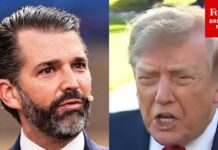
President Trump defended the waiver as a tactic to keep Russia engaged in talks. He said he did not want to “drive” Moscow from the bargaining table and claimed progress toward peace and on hostage issues. He argued that he could impose the measures later if talks failed. He also criticized Zelenskyy, saying the Ukrainian leader did not want to end the war. That message placed public pressure on Kyiv to accept limits while holding the threat of future sanctions over Moscow.
Donald Trump is defending his decision to suspend new sanctions on Russia, arguing that tougher measures could jeopardise efforts to end the war in Ukraine. The US president says he wants to keep Moscow at the negotiating table, while also accusing Volodymyr Zelenskyy of being… pic.twitter.com/x1Jt5BbDRZ
— EU Perspectives (@EUPerspectives) October 19, 2026
These positions created a stark split. One side says relief without results rewards aggression. The other says calibrated relief buys leverage and space for a deal. The record shows a real waiver of sanctions and public rebukes of Zelenskyy. It does not show a complete ledger of private pressure on Russia. That means the comparison of pressure on each side rests on public acts we can see and contested claims about talks we cannot verify in full right now.
Why it matters to Americans across the spectrum
People on the right worry that endless wars drain resources and raise fuel prices. People on the left worry that deals with autocrats undercut human rights and the rule of law. Both worry that insiders cut side arrangements while working families face higher costs. This dispute hits those nerves. Sanctions relief can ease diesel markets, but it may also lessen pressure on an aggressor. Voters want clarity on goals, conditions, and timelines, not shifting red lines announced online.
Trust depends on transparency. Clear answers could calm fears that policy serves elites over citizens: What exact sanctions were waived, for how long, and tied to which steps by Russia? What limits, if any, are placed on Ukraine’s defense, and why? What triggers would restore sanctions, and who verifies compliance? Publishing the executive order details, Treasury guidance, and negotiation benchmarks would help the public judge whether this is smart leverage or a giveaway that weakens peace.
The bottom line: Leverage without a map risks drift
Sanctions and battlefield limits can be tools to push talks. They can also tilt the table if used unevenly. Today, the public record confirms a real pause in pressure on Russia and louder pressure on Kyiv to change tactics. The administration says this is the path to a deal; Ukraine says it makes surrender more likely. Until officials show the conditions and off-ramps in writing, Americans are left to trust leaders who too often put politics first.
Sources:
detroitnews.com, cnbc.com, bloomberg.com, cbsaustin.com
© libertystartribune.com 2026. All rights reserved.