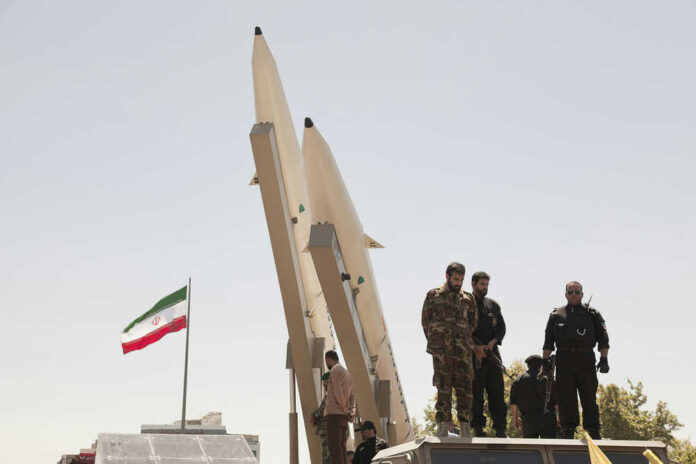
(LibertystarTribune.com) – As Iran’s regime blacked out the entire country’s internet to crush nationwide protests, it reminded Americans exactly why we fight so hard to defend free speech, faith, and constitutional limits on government power.
Story Snapshot
- Iran’s rulers triggered a near-total national internet blackout as anti-regime protests erupted in hundreds of cities and towns.
- Demonstrations, sparked by economic collapse and inflation, have escalated into open calls to end clerical rule.
- Rights groups report dozens killed, including minors, with security forces accused of using live fire and raiding hospitals.
- Trump has warned Tehran’s leaders that if they start mass killings, the United States will hit them “very hard.”
Iran’s Internet Blackout Shows How Far a Regime Will Go to Keep Power
In late December 2025, protests erupted after Iran’s currency plunged and the historic Tehran bazaar shut its doors, signaling deep economic panic among ordinary families and merchants. Those demonstrations quickly spread beyond the capital into all thirty-one provinces, reaching big cities and smaller, poorer towns that usually stay out of the headlines. As crowds grew, protesters shifted from complaining about inflation to demanding sweeping political change and openly rejecting the clerical regime’s grip on power.
On January 8, 2026, opposition calls for nationwide protests at 8 p.m. local time turned into a clear test of strength between the people and the state. Throughout the afternoon, independent internet monitors documented connectivity steadily dropping across Iran, hours before the gatherings began. By that evening, the country was plunged into what experts called a digital blackout, with internet traffic collapsing nationwide and even some landlines reportedly cut off in key areas.
Protests Move From Economic Anger to Open Revolt Against Clerical Rule
Reports from rights groups and exiled opposition networks describe protests in hundreds of locations, from Tehran and Mashhad to provincial towns many Americans have never heard of. Crowds did not simply chant about food prices or wages; they shouted explicitly anti-regime slogans, called for the return of the monarchy, and targeted symbols of the Islamic Republic, including tearing down a statue of Qassem Soleimani. That kind of rhetoric goes well beyond reform and points toward a population that has lost faith in gradual change.
Iran’s leaders have faced uprisings before, including the 2009 Green Movement, the deadly 2019 fuel protests, and the 2022–2023 Mahsa Amini demonstrations over compulsory hijab and morality-police abuses. Each wave left more blood on the streets and more distrust in the system, especially among young people and poorer citizens outside Tehran. This time, rights groups say protests are broader than ever, hitting 348 locations nationwide and drawing in communities already battered by years of sanctions, corruption, war spending, and collapsing living standards.
Crackdown Tactics Highlight the Dangers of Unchecked State Power
Human-rights organizations estimate that at least several dozen protesters have been killed so far, with some groups documenting forty-five or more deaths, including minors. Security forces, including the Revolutionary Guard and Basij militias, are accused of firing live ammunition into crowds and storming hospitals to arrest the wounded. Thousands more have reportedly been detained as the regime tries to intimidate people back into silence, all while cutting the digital lifelines that would allow Iranians to show the world what is happening.
For Americans who value the First and Second Amendments, Iran’s blackout is a stark example of what happens when citizens are disarmed, speech is controlled, and all major institutions answer to a single unelected authority. With no independent courts, no free press, and no meaningful right to bear arms, ordinary Iranians have little leverage beyond sheer numbers in the streets. The government’s ability to flip a switch and shut down the internet nationwide shows the dangers of centralized control over communication networks.
Why This Matters for Conservatives Watching From a Stronger America
In Washington, the return of a law-and-order, America First administration has put Tehran on notice that mass killings will carry consequences. Trump has already warned that if Iran’s rulers start slaughtering protesters on a large scale, the United States will hit the regime very hard, signaling a stark break from the apologetic, deal-seeking posture many conservatives associated with previous Democratic leadership. That message lines up with a broader stance favoring strength against terror-sponsoring states and solidarity with people resisting tyranny.
For readers frustrated by years of globalist appeasement, open borders, and selective outrage from Western elites, Iran’s blackout underscores a basic truth: authoritarian regimes fear their own people more than any foreign enemy. When a government crushes dissent, controls speech, and hoards guns for the state alone, freedom dies in darkness—online and off. Watching Iranians risk their lives for basic liberties should harden Americans’ resolve to defend constitutional rights, resist censorship, and oppose any push toward unchecked government power at home.
Sources:
Iran protests swell nationwide as crackdown intensifies and internet is cut – Le Monde
Nationwide internet outage hits Iran as evening protests ramp up – Iran International
Copyright 2026, LibertystarTribune.com