(LibertystarTribune.com) – President Trump’s high-stakes nuclear negotiations with Iran are teetering on the brink of collapse as fundamental disagreements threaten to replace diplomacy with military confrontation in the Middle East.
Story Snapshot
- US demands Iran surrender enriched uranium, dismantle ballistic missiles, and end proxy warfare support, while Tehran refuses to discuss anything beyond civilian nuclear guarantees
- Trump warns of “very steep consequences” and threatens military strikes “far worse” than Operation Rising Lion, which targeted Iranian nuclear sites in June 2025
- USS Abraham Lincoln carrier group deployed near Iranian waters as Tehran conducts live-fire drills closing the Strait of Hormuz
- Experts warn both sides are hardening positions as time passes, making a comprehensive deal increasingly unlikely and military escalation more probable
Tehran’s Refusal to Negotiate Beyond Nuclear Issues
Iran’s Foreign Minister Abbas Araghchi insists negotiations remain confined exclusively to civilian nuclear program guarantees, flatly refusing to discuss ballistic missile restrictions, support for Hezbollah and Hamas, or internal human rights abuses. This negotiating posture mirrors the 2015 JCPOA framework, which deliberately excluded missile technology and regional militia support because Iran would not permit these topics. Tehran views current US demands as coordinated external pressure designed to destabilize the regime amid nationwide anti-government protests that have resulted in thousands of deaths since late 2025.
Trump Administration Demands Comprehensive Concessions
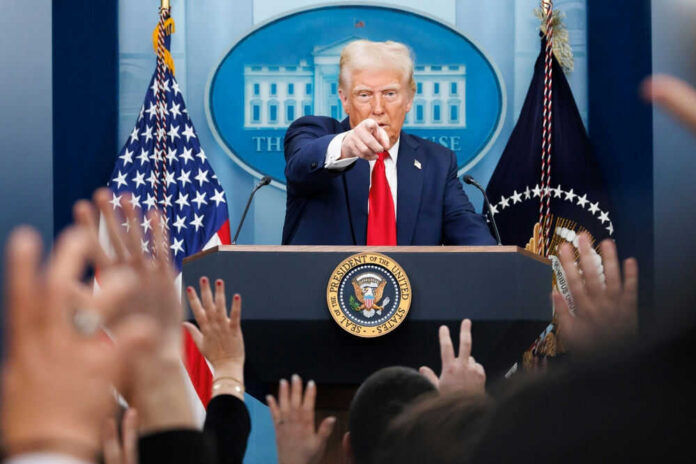
President Trump and Secretary of State Marco Rubio are demanding Iran transfer its remaining 400 kilograms of enriched uranium, halt all nuclear weapons development, restrict ballistic missile programs, and completely end support for Hezbollah, Hamas, and Houthi rebels. This represents a dramatically expanded negotiating agenda compared to Obama’s 2015 deal, which conservatives correctly criticized for ignoring Iran’s broader destabilizing activities. Trump stated “I think they want to make a deal” before Geneva talks on February 17, yet simultaneously warned that failure to reach agreement would trigger consequences “very steep” in nature, referencing previous military strikes.
Military Buildup Accelerates Alongside Diplomatic Efforts
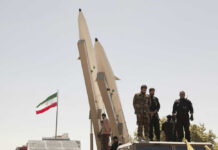
While both sides publicly express cautious optimism about progress on “guiding principles,” military preparations continue escalating throughout the region. The USS Abraham Lincoln carrier group remains deployed near Iranian waters, Iran conducted live-fire drills that closed the Strait of Hormuz, and Iranian-backed militias in Iraq have renewed urgent war preparations. Trump has explicitly indicated willingness to pursue commando operations targeting Iranian nuclear facilities if negotiations fail. This military backdrop undermines diplomatic credibility, as experts note the estimated 20-month timeline for comprehensive negotiations conflicts sharply with Trump’s demonstrated impatience and readiness to exercise military options.
Iran Rebuilding Nuclear Capabilities Despite Previous Strikes
Operation Rising Lion in June 2025 involved coordinated US and Israeli strikes targeting Iranian nuclear infrastructure after Tehran’s stockpile of near-weapons-grade enriched uranium surged over 50 percent. While the US initially claimed Iranian nuclear sites were “obliterated,” satellite imagery subsequently revealed Iran actively restoring nuclear production capabilities. Academic experts at USC Dornsife warn the US may be overestimating its strategic position, noting Iranian commitment to ballistic missiles remains “stronger than ever before, with much of the infrastructure already rebuilt.” This assessment undermines assumptions that previous military pressure weakened Iran’s resolve or capacity.
Structural Incompatibility Threatens Any Agreement
The fundamental incompatibility between US insistence on addressing non-nuclear issues and Iranian refusal to discuss anything beyond civilian nuclear guarantees creates a dangerous dynamic. As USC Dornsife analysis explains, “as time passes with no deal, both sides harden their negotiating starting points, making a deal less likely.” Regional mediators including Qatar warn that any military escalation could produce “severe consequences for the Middle East,” threatening Gulf shipping routes, oil markets, and broader stability. The convergence of Iran’s internal political collapse, external military pressure, and incompatible negotiating red lines suggests the window for diplomatic resolution may be closing rapidly.
Conservative Perspective on Diplomatic Strategy
Trump’s approach corrects the Obama administration’s catastrophic error of negotiating a narrow nuclear deal while ignoring Iran’s ballistic missile development and sponsorship of terrorist organizations throughout the Middle East. Conservatives understand that genuine peace requires addressing the full scope of Iranian aggression, not merely kicking the nuclear can down the road while Tehran builds delivery systems and destabilizes the region through proxy warfare. However, the administration must recognize that Iran’s regime views these demands as existential threats, making concessions unlikely without overwhelming military or economic pressure. The question becomes whether Trump possesses the patience for protracted negotiations or will resort to military options that could ignite broader regional conflict.
Sources:
Iran-US nuclear talks may fail, but they are not futile – USC Dornsife
2026 United States–Iran crisis – Wikipedia
Copyright 2026, LibertystarTribune.com