(LibertystarTribune.com) – A veteran NFL coach just lost his job after an airplane seating shuffle became the “final straw” in a season already defined by dysfunction and quiet leaks from inside the New York Giants.
Story Snapshot
- A veteran Giants assistant, Bryan Cox, was fired after a reported outburst over being moved to the back of the team plane.
- Anonymous insiders say Cox was already “checked out,” and the seating flap was only the last in a pattern of disengagement.
- The episode spotlights a franchise racked by losing, internal leaks, and shaky leadership culture.
- The story is a reminder of how status games and weak accountability can rot institutions from the inside.
Bizarre “Final Straw” on a Turbulent Giants Flight
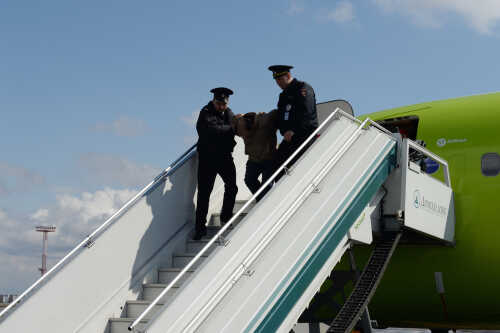
Reports out of New York describe how Bryan Cox, the Giants’ defensive line coach and longtime NFL veteran, was fired after a strange incident on the team’s charter flight home from a 33–15 loss to the New England Patriots. According to detailed reporting, assistant coaches who usually sat near the front of the plane were moved to the back on that trip, and Cox reacted angrily to the downgrade. Team sources framed that behavior as the “final straw” in his Giants tenure.
The uncomfortable plane ride came at the end of yet another disappointing game in a losing season, magnifying every perceived slight and symbol of slipping status. Inside NFL organizations, travel arrangements, seat assignments, and perks are more than logistics; they signal respect, hierarchy, and who is truly valued. When those informal privileges change suddenly against a backdrop of poor results, frustrated staff can see it as evidence that leadership has lost its grip and is quietly reshuffling power on the fly.
From “Checked Out” Assistant to Convenient Scapegoat
The plane flare-up did not come out of nowhere. Reporting from inside the building portrays Cox as “checked out” well before that New England trip, suggesting his engagement, energy, or alignment with expectations had eroded as the season dragged on. For an interim head coach like Mike Kafka, trying to steady a stumbling locker room, a veteran assistant visibly mailing it in becomes both a culture threat and a tempting scapegoat when ownership wants someone held accountable for the chaos.
Kafka publicly declined to lay out specific reasons for the firing, leaving the organization’s official story intentionally vague while anonymous sources filled the gap for reporters. That split between the tight-lipped podium line and detailed leaks from behind the scenes says a lot about how fragile the Giants’ internal trust has become. When leaders will not speak plainly and subordinates rush to shape the narrative through back channels, fans are left looking at an organization where nobody truly owns the problems or the solutions.
Status Games, Weak Culture, and What It Signals Beyond Football
The Cox episode is about more than bruised ego over a seat; it is a case study in what happens when status symbols matter more than shared mission. In any high-pressure institution, from NFL franchises to federal agencies, perks like front-of-plane seating or corner offices become stand-ins for respect. When leadership tinkers with those symbols without clear communication or earned authority, it can trigger blowups that expose deeper rot: burnout, mismanagement, and a culture where people feel disposable rather than responsible.
For conservative readers used to watching Washington bureaucracies play similar games, the pattern is familiar. Instead of clear standards, accountability, and merit-based leadership, you get factions, leaks, and decisions explained through gossip rather than honest explanation. The Giants’ handling of Cox’s decline and dismissal mirrors how bloated institutions often behave: tolerate disengagement until it becomes unignorable, then orchestrate a high-visibility purge that changes headlines but not habits. The personalities change; the culture rarely does without real reform.
Accountability, Leadership, and Lessons for Fans Who Value Order
The short-term fallout is obvious: defensive linemen lose their position coach midseason, remaining staff pick up extra duties, and an already fragile team identity takes another hit. Longer term, Cox may find his reputation defined less by years of playing and coaching than by this one story of being “checked out” and exploding over a seating change. That is the cost when your last impression fits neatly into a narrative of dysfunction that a struggling franchise is eager to offload onto one person.
Bryan Cox was ‘checked out’ before Giants firing — this was the bizarre final strawhttps://t.co/PCpoOGC3PP
— BREAKING NEWZ Alert (@MustReadNewz) December 11, 2025
For fans who care about discipline, hierarchy, and institutional strength, the real question is not whether Cox deserved to be fired but whether the people above him are capable of building a culture where standards are enforced early, clearly, and consistently. When leaders hide behind “no comment” while anonymous voices do the explaining, it signals a deeper leadership deficit. Whether in sports or government, Americans who value order and accountability know that healthy institutions do not rely on gossip and spectacle to correct course—they lead from the front and tell the truth.
Sources:
Bryan Cox’s Reaction to Plane Seating Arrangement Was ‘Final Straw’ Before Giants Exit
Copyright 2025, LibertystarTribune.com