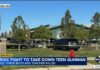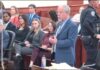
Bodycam video from the Minneapolis mass shooting shows the tense moments when officers were hit as they pushed into a downtown high-rise.
Story Highlights
- Police say two people were killed and the suspect also died in downtown Minneapolis.
- Multiple officers were hurt, including two shot; officials said they were expected to recover.
- The shooting unfolded near 15 East Grant Street, and police told the public to avoid the area.
- Early reports differed on injury counts, a common issue in fast-moving mass shooting cases.
What Police Say Happened Downtown
The Minneapolis Police Department reported a deadly shooting downtown near 15 East Grant Street on September 2, 2026. Police said two people were killed, and the suspect was also dead. Officers rushed into the building to stop the threat and rescue people. Authorities asked the public to avoid the area as they cleared units. Reporters at the scene described an active response and blocked streets as the situation unfolded that afternoon.
Officials said multiple officers were injured. Two officers were shot. One was hit twice in the stomach, and another was shot in the leg, according to local reporting. Hospital officials said injured officers were in stable condition and were expected to make a full recovery. The governor said the state’s public safety team supported the city’s response and was on site to help local law enforcement manage the scene and its aftermath.
How Many Were Hurt And Where Facts Agree
Newsrooms reported different injury totals as updates came in. The Associated Press said five people were wounded by gunfire, including two Minneapolis officers, and a sixth officer had other injuries. Fox News reported seven people shot and three officers injured. CBS said at least five others were injured, including three officers. Outlets agreed on the core facts: two civilians were killed, the suspect died, and officers were among the wounded.
Journalists identified the location as near 15 East Grant Street, a downtown high-rise. Police described the scene as an active shooting and urged people to stay away until officers cleared the building. That advice matched standard public safety practice in dense urban settings. The call to avoid the area helped keep streets open for ambulances, fire crews, and the many police units needed during a floor-by-floor search.
Why Early Numbers Often Shift In Mass Shootings
Early casualty counts in mass shootings often change as officials sort gunfire wounds from other injuries. Large scenes with many responders make fast math hard. As hospitals update patient status, numbers move again. Research on police and violence data shows official databases and first reports can miss details on day one, which explains why totals in this case varied by outlet before they settled later in the news cycle.
That pattern does not mean the event is unclear. It means the first wave of facts is still moving through a complex system of 911 logs, officer reports, and hospital updates. Here, the key pieces aligned: two people lost their lives, the suspect died, and officers were hurt but expected to recover. Those facts come from police and hospital statements carried by multiple outlets, which gives them weight even as the fine-grain counts evolved.
What The Bodycam Adds And The Public’s Stakes
Body-worn camera clips from the response help show timing, officer movements, and the moments when officers were hit. That kind of video can confirm how officers entered, where they took fire, and how they evacuated victims. For the public, this matters. Clear records support accountability, heal rumors, and teach lessons for future responses. For officers, the footage provides training value on room entry, communication, and medical aid under fire.
Minneapolis police just released four bodycam clips from the Sept. 2 mass shooting at Shoreline Plaza, the downtown apartment tower formerly known as Loring Towers at 15 East Grant Street. Three people ended up dead. Six were hurt. Almost 160 officers flooded the scene.
The… pic.twitter.com/Ysfg4RqrUW
— Kim "Katie" USA (@KimKatieUSA) September 17, 2026
People across the political spectrum want competent, transparent policing and honest communication in crises. This case shows both the strain and the discipline of a large-city response. Police ran toward danger in a crowded downtown tower. State leaders backed local teams. Hospitals moved fast. Still, the first-day confusion over totals reminds us why good records, faster public updates, and prompt release of key materials like timelines and video build trust after chaos.
Sources:
youtube.com, foxnews.com, cbsnews.com, aljazeera.com, thehill.com
© libertystartribune.com 2026. All rights reserved.