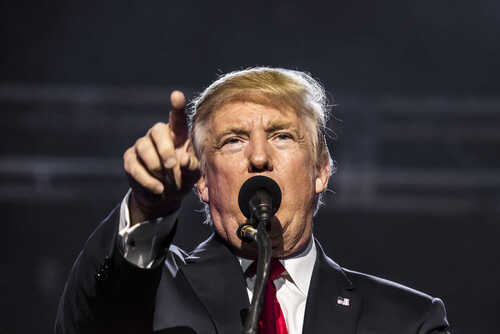
President Trump says the United States will refill its oil emergency stockpile “for nothing,” citing a Venezuela deal that gives Washington cheap, priority barrels to buy.
Story Snapshot
- The White House says the U.S. can buy 20% of oil from select Venezuelan fields at production cost to help refill the Strategic Petroleum Reserve.
- Officials and reports describe U.S.-linked rights over about a fifth of Venezuela’s reserves, tied to 17 fields and large output targets.
- Venezuelan leaders insist the country keeps ownership and sovereignty over its oil despite the agreement’s reach.
- Analysts say the deal blends equity, board control, and offtake rights, but many contract details remain unclear.
What Trump Promised About Refilling the Oil Reserve
President Trump has argued the Venezuela arrangement will let the United States refill the Strategic Petroleum Reserve at little or no cost. A White House fact sheet backs a key part of that claim. It says the State Department secured the right to buy 20% of oil from fields run by North American Blue Energy Partners at production cost. It links those barrels to refilling the reserve, which still holds far less than its capacity.
The United States has used low-cost or in-kind oil before to fill the Strategic Petroleum Reserve. Past programs took royalty oil from federal leases rather than taxpayer cash. The new plan would rely on below-market purchases from Venezuelan fields. That could lower the refill bill, but “for nothing” is more slogan than math. Even a production-cost price is not zero, and shipping, storage, and quality blending all add costs.
What the Venezuela Deal Actually Covers
U.S. and Venezuelan statements describe a sprawling pact. Reports say the framework covers 17 fields and touches about a fifth of Venezuela’s oil reserves, with talk of 65 billion barrels under U.S.-linked control claims. The structure pairs long-term field rights with a new private operator and a U.S. stake. Targets discussed in public include a lift to as much as 1.5 million barrels per day in output from those assets over time, if investment flows.
Reuters and other outlets describe unusual governance and finance tools around the private operator, including potential U.S. purchase options on equity to shield control. Analysts also note possible board-seat conditions and U.S. veto rights. These features, plus the 20% at-cost offtake and a right of first refusal on more barrels reported elsewhere, would give Washington strong influence over flows. But they do not, by themselves, transfer legal ownership of Venezuela’s oil in the ground.
Sovereignty Claims and Why Words Matter
Venezuela’s interim leadership says the nation retains ownership and sovereignty over its natural resources. Officials there describe a 25-year term within national law, not a century-long handover. Legal experts add that offtake rights, equity, and board control are powerful, yet different from holding title to the oil under the soil. That difference matters for courts, politics, and how future governments could revise terms.
This gap between “control” and “ownership” fuels anger on both left and right. Many Americans distrust deals shaped by elites and secret clauses. Many Venezuelans fear losing control of national wealth. Those worries grow when contracts are opaque. Reporters and lawyers say key parts of the agreement remain unclear, including the final governance mix and how revenue will be shared. That uncertainty invites backlash and slows investment, which the plan needs to hit its output goals.
What It Means for Prices, Policy, and Power
Near-term gasoline prices may not move much. New drilling, repairs, and heavy-oil upgrades take time and money. Early U.S. sales linked to Venezuela this year were measured in tens of millions of barrels. That is helpful but small in a 100-million-barrel-per-day global market. Still, priority access at cost could make refilling the Strategic Petroleum Reserve cheaper, rebuild an energy buffer, and give Washington leverage over rivals that once counted on Venezuelan crude.
Bottom Line for Readers
Trump’s line about filling the reserve “for nothing” overstates the math, but the U.S. did lock in below-market barrels that could cut refill costs. The broader deal mixes supply rights, equity, and governance tools to boost U.S. sway without clear transfer of oil ownership. That hybrid model reflects a larger trend: powerful governments shaping resources through contracts, not conquest. Whether this serves the public interest will hinge on transparency, fair terms, and real delivery—not slogans.
Sources:
© libertystartribune.com 2026. All rights reserved.