
(LibertyStarTribune) – A new military mission threatens to undermine regional stability, raising questions about sovereignty and effectiveness in combating drug cartels.
Story Snapshot
- The Trump administration launched a military mission targeting “narco-terrorists” in Latin America.
- Direct U.S. military involvement marks a significant shift in counter-narcotics strategy.
- Regional leaders have expressed mixed reactions, citing sovereignty concerns.
- Ongoing operations have led to high-profile arrests and drug seizures.
Trump Administration’s Bold Move
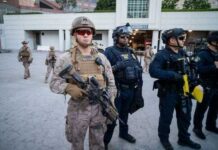
In early 2024, the Trump administration unveiled a new military mission targeting “narco-terrorists” in Latin America and the Caribbean. This bold initiative, driven by the Department of Defense, aims to eradicate the escalating drug trafficking and cartel violence that threatens U.S. national security. The administration’s decision reflects a significant escalation in the U.S. counter-narcotics policy, moving beyond traditional law enforcement and intelligence efforts to direct military intervention.
The mission has involved deploying increased U.S. military and intelligence assets to the region, with operations beginning in mid-2024. This direct military involvement is unprecedented in the context of U.S. counter-narcotics efforts, signaling a shift in rhetoric by equating drug cartels with terrorist organizations. The emphasis is on maintaining regional stability in “America’s neighborhood.”
Historical Context and Reactions
The U.S. has long combated drug trafficking, dating back to the “War on Drugs” in the 1970s and 1980s. However, direct military intervention has been rare and controversial. Recent years have seen a surge in cartel activity, with high-profile incidents exacerbating U.S. concerns, particularly regarding the fentanyl crisis. The Trump administration has consistently highlighted the border security threat posed by cartels, laying the groundwork for this aggressive approach.
Regional reactions to the mission have been mixed. While some governments welcome U.S. support to combat powerful cartels, others worry about sovereignty violations and potential collateral damage. This tension underscores the complex geopolitical dynamics at play, as U.S. relations with Latin American countries remain strained by migration, trade, and security issues.
Current Developments and Impact
As of late 2025, U.S. military operations continue, with periodic updates on successful seizures and arrests. The mission has expanded to include increased naval and aerial surveillance, as well as joint operations with regional partners. These efforts have led to significant disruptions in cartel operations but have also sparked diplomatic fallout, with some leaders criticizing the actions as infringing on national sovereignty.
The mission’s long-term effectiveness remains under debate. While it may improve regional security, there is a risk of backlash, increased anti-U.S. sentiment, and potential cartel retaliation. The economic impact includes disruptions to illicit economies and potential harm to legitimate cross-border trade, while increased militarization may exacerbate violence and instability in affected regions.
Copyright 2025, Libertystartribune.com