(LibertystarTribune.com) – The White House is daring Iran to “make a deal” while keeping U.S. strike options on the table—an approach designed to stop a nuclear threat without falling back into the weak, loophole-riddled diplomacy conservatives watched for years.
Quick Take
- White House Press Secretary Karoline Leavitt said U.S. negotiators made “a little bit of progress” with Iran but remain “very far apart” on key nuclear issues.
- President Trump is pairing talks with visible military readiness, signaling that diplomacy is available but not open-ended.
- The central sticking point remains uranium enrichment, with Iran calling enrichment non-negotiable.
- The administration is also applying economic pressure, including tariff-related measures targeting Iran-linked commerce.
White House Message: Deal or Consequences
White House Press Secretary Karoline Leavitt framed the administration’s posture in plain terms: the U.S. prefers a negotiated outcome, but Tehran should not mistake talks for tolerance of a nuclear weapons pathway. Leavitt said negotiators achieved “a little bit of progress” in recent meetings while remaining “very far apart” on major issues, and she indicated Iran is expected to return with additional detail within weeks.
The negotiating track has included meetings in Geneva involving U.S. Special Envoy Steve Witkoff and Jared Kushner, reflecting how personally invested the Trump team is in ending the standoff. Leavitt’s comments also suggested that immediate strikes were not being telegraphed as imminent, even as the administration keeps military options visible. That mix—talks continuing, but with consequences clearly implied—defines the current phase of the pressure campaign.
Maximum Pressure Returns—With a Military Backstop
The current approach traces back to February 2025, when President Trump reinstated “maximum pressure” and publicly reiterated that an Iranian nuclear weapons capability is unacceptable. In March 2025, Trump communicated directly with Iran’s Supreme Leader Ali Khamenei about negotiations while warning of serious military consequences if Iran refused. By mid-2025, the standoff escalated further, culminating in U.S. strikes on major Iranian nuclear sites.
Those 2025 strikes—reported as targeting facilities at Fordow, Natanz, and Esfahan—now hang over every round of diplomacy. The administration’s logic is straightforward: negotiations work better when the adversary believes the alternative is real. For Americans weary of years of globalist “process” with little enforcement, this posture is a reminder that deterrence depends on credibility, not just signatures and press conferences.
The Core Dispute: Uranium Enrichment and Verification
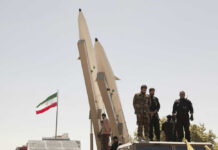
The talks remain deadlocked over enrichment. U.S. demands have emphasized ending or dismantling enrichment rather than allowing limited activity under an agreement. Iranian leaders have publicly rejected that premise. Khamenei has continued to treat enrichment as a sovereign right and has also rejected demands tied to ballistic missiles, signaling that Tehran is unwilling to accept the kind of rollback Washington says is necessary for real assurance.
Some reporting describes a U.S. offer that would include assistance on nuclear reactor matters and allow limited enrichment until a regional consortium facility becomes operational. Even so, Iran has insisted on tangible sanctions relief and guarantees around banking and trade before committing to constraints. The unresolved reality is that verification and enforcement matter as much as terms on paper, especially after years when critics argued prior frameworks left dangerous gaps.
Economic Leverage: Tariffs and Secondary Pressure
Alongside diplomacy and military posture, the administration has leaned on economic power. A White House fact sheet describes executive action aimed at threats posed by Iran, including tariff-related mechanisms focused on countries that acquire Iranian goods or services. This type of pressure is designed to tighten Iran’s access to revenue and reduce the workarounds that have historically blunted sanctions regimes, particularly when enforcement was inconsistent.
That approach also spotlights a broader conservative lesson from the past decade: when Washington signals weakness or division, adversaries test limits, and American families end up paying the price through instability abroad and economic shock at home. Energy markets, shipping lanes, and regional security can all be affected by miscalculation. By putting economic penalties in writing, the administration is signaling follow-through rather than rhetorical red lines.
Regional Stakes: Allies, Proxies, and Escalation Risk
The Iran file does not exist in a vacuum. The research points to broader regional volatility, including Iranian support connected to Houthi activity and ongoing tensions affecting U.S. partners. Trump has coordinated closely with Israeli Prime Minister Benjamin Netanyahu on Iran policy, underscoring how allied security concerns intersect with U.S. nonproliferation goals. At the same time, military buildups and proxy conflicts create risk of accidental escalation even without a planned strike.
Leavitt’s emphasis on continued talks and an expected Iranian response suggests the administration is still prioritizing a negotiated outcome—so long as it meets core U.S. security requirements. For conservatives who watched prior administrations project caution while adversaries advanced, the key question is whether Iran will accept verifiable limits. If it will not, the administration has been explicit that the U.S. is prepared to act, rather than normalize a nuclear threshold state.
Sources:
2025–2026 Iran–United States negotiations
Trump orders complete withdrawal of all troops from Syria within two months: report
Iran Update, February 17, 2026
Copyright 2026, LibertystarTribune.com