(LibertystarTribune.com) – A long-running mystery in the January 6 saga just took a dramatic turn, and it raises new questions about federal priorities, public trust, and political narratives that shaped four years of division.
Story Snapshot
- A 30-year-old Virginia man reportedly confessed to planting pipe bombs at the RNC and DNC the night before January 6, 2021.
- The admission revives concerns about how that key threat was handled while Democrats used January 6 to target Trump supporters.
- Conservatives are asking whether security failures and politicized investigations overshadowed real public-safety risks.
- The case underscores why a restored focus on law and order, not partisan theater, matters under the new Trump administration.
Confession in a Case That Shocked Washington
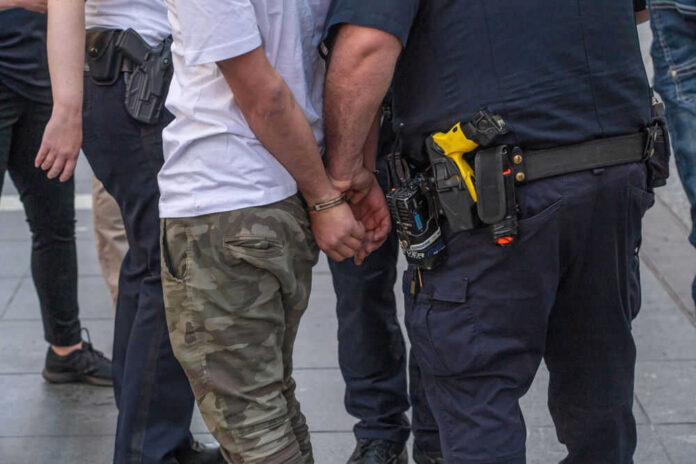
A 30-year-old man from Virginia has reportedly confessed to planting two pipe bombs outside the Republican National Committee and Democratic National Committee headquarters on the night before the January 6, 2021 protests at the U.S. Capitol. Law enforcement sources say he was arrested on a Wednesday and admitted his role the following day, finally putting a face and a name to one of the most unsettling and unresolved threats tied to that already chaotic week.
Investigators have long treated those devices as serious explosive threats, not political props, and the confession reinforces that the country narrowly avoided a far worse outcome. Both national party headquarters are symbols of our two-party system, and targeting them with bombs is an attack on the basic political framework the Constitution protects. For many Americans, learning that someone has admitted responsibility deepens the urgency of understanding what the government did, and did not do, in response.
How the Pipe Bombs Fit Into the January 6 Narrative
The pipe bombs were discovered near the RNC and DNC buildings as protests over the 2020 election unfolded and the situation at the Capitol spiraled. At the time, authorities evacuated nearby areas and treated the devices as credible threats, but the public received few solid answers about who planted them or why. Years later, this reported confession arrives after the event had already been used nonstop as justification for branding many peaceful Trump supporters as extremists.
Democratic officials and media figures spent years folding the existence of those bombs into a broader narrative that painted the entire movement questioning the 2020 election as dangerous. With someone now acknowledging that he alone planted the devices, conservatives are likely to press for clarity on motive, affiliations, and whether earlier speculation unfairly smeared millions of law-abiding citizens. A constitutional republic cannot afford to let unanswered questions about violent acts be buried under partisan talking points.
Law Enforcement Priorities Under Scrutiny
Law enforcement agencies devoted massive resources to tracking down attendees, online posters, and low-level protesters after January 6, often publicizing arrests of nonviolent offenders while the pipe bomber remained unidentified. The fact that it has taken years to reach a confession in a case involving actual explosives near both party headquarters invites tough questions about investigative priorities. Many conservatives believe federal agencies focused more on political optics than on neutral, threat-based law enforcement during the Biden years.
Supporters of limited government and the rule of law argue that real domestic security work must start with the most serious, clearly defined crimes: bombs, coordinated violence, and organized terror plots. When a government spends more time monitoring parents at school board meetings or flagging social-media posts than tracking down the person who planted explosive devices, trust erodes quickly. This confession reopens that debate and strengthens calls for renewed accountability within federal agencies now that a new administration is in place.
Implications for Civil Liberties and Political Targeting
The unresolved pipe bomb case was often referenced alongside efforts to expand surveillance authorities, tighten protest restrictions, and justify aggressive prosecutions of January 6 defendants. Now that a suspect has reportedly admitted planting the bombs, civil libertarians on the right will want to know whether his actions were used as a pretext for broader crackdowns on dissent. The Constitution demands that crimes be prosecuted individually, not exploited to justify blanket suspicion of an entire political movement.
Conservative readers who value the Bill of Rights will see this case as another reminder of why clarity, transparency, and equal justice are essential. When violent acts are used to threaten speech, assembly, and the right to question elections, the answer is not more censorship or government overreach. The answer is honest fact-finding, tough but fair prosecutions of actual offenders, and firm protection of peaceful political involvement for every citizen, regardless of party.
Copyright 2025, LibertystarTribune.com