(LibertystarTribune.com) – As President Trump’s new Secretary of War clears out four-star brass and rewires the Pentagon, Americans must decide whether this is a long-overdue housecleaning or a dangerous reshaping of military power.
Story Snapshot
- Pete Hegseth has removed multiple top generals and admirals and warned more firings are coming as part of a sweeping Pentagon reset.
- Trump’s order renaming the Department of Defense to the Department of War signals a hard break with decades of bipartisan defense tradition.
- New War Department directives target DEI-era “woke” policies, fitness standards, training, and oversight in the name of restoring lethality.
- A proposed command shake-up could merge or cut major headquarters, centralizing power and raising fresh questions about politicization.
Hegseth’s Purge Marks a Stark Break With Pentagon Tradition
Secretary of War Pete Hegseth did not ease into the job. At a key leaders’ gathering at Marine Corps Base Quantico, he stood before hundreds of generals and admirals and bluntly confirmed he had already fired the previous Chairman of the Joint Chiefs, multiple service chiefs, a combatant commander, and a top intelligence boss. He tied those removals directly to a cultural and policy reset, telling the room that more leadership changes are coming and repeating the mantra that personnel is policy.
Hegseth’s moves are unusual even by Washington standards. Removing a sitting Chairman mid-term, alongside a Chief of Naval Operations, the head of U.S. Cyber Command, and the Defense Intelligence Agency director within a compressed window, goes far beyond routine turnover. Supporters see this as finally holding accountable an entrenched elite that embraced DEI, climate posturing, and social experiments at the expense of warfighting. Critics warn the pattern looks like an ideological purge that could chill honest military advice in the Situation Room.
From Department of Defense to Department of War
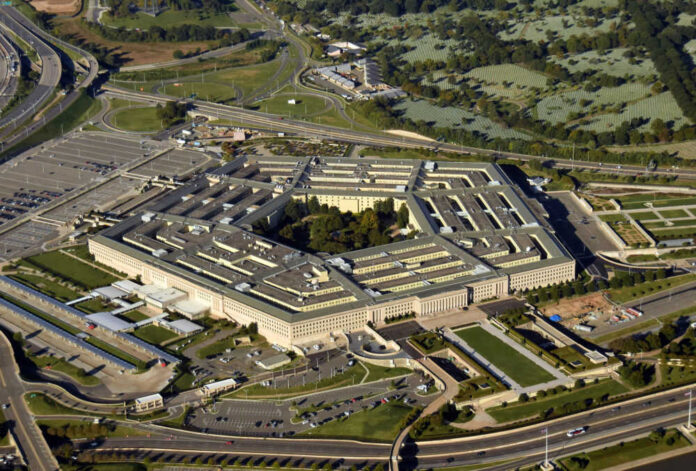
Trump’s executive order renaming the Pentagon as the United States Department of War adds heavy symbolism to the personnel shake-up. Since 1947, both parties accepted the “Defense” label as a way of framing the U.S. military as a shield for a broader security architecture built on alliances and deterrence. Trump has deliberately rejected that language, arguing that the armed forces exist first and foremost to fight and win wars, not manage sprawling global bureaucracies or social agendas.
The rebranding is not just a new logo. The order sets the tone for deeper organizational and cultural shifts, from acquisition to command relationships. Inside the building, “War Department” branding is rolling out even as lawyers and legislators debate what statutory changes might eventually follow. For many conservative readers who watched the military brass lecture them on gender ideology while losing focus on lethality, this feels like a long-awaited return to clarity. For others, it is an unsettling signal that diplomacy and alliances are being intentionally downgraded.
Ten Directives Target ‘Woke’ Culture and Lax Standards
Hegseth has paired his firings with ten major directives aimed squarely at what many on the right view as the rot of the Biden years. Combat arms units will use the highest male standard for fitness tests, ending the quiet slide toward gender-normed benchmarks that veterans said watered down readiness. Grooming standards tighten again, with beards largely banned outside temporary waivers. Mandatory online training is being cut back so troops can spend less time clicking through PowerPoints and more time on ranges and in the field.
Oversight and equal opportunity processes are also under the knife. Hegseth wants artificial intelligence tools to speed up investigations and case reviews, and he has promised to “re-empower” commanders who felt hamstrung by zero-defect cultures and ever-expanding protected categories. Civilian employees are being told a cultural refresh is coming, one that will reward top performers and make it easier to move out those the department considers poor fits. Supporters argue these steps restore common sense and accountability; detractors see the seeds of politicized favoritism.
Command Shake-Up Could Centralize Power at the Top
Beyond personalities and standards, a deeper structural fight is brewing over the shape of American military power. A proposed command shake-up under discussion would merge or cut some of the regional and functional combatant commands that have guided U.S. operations for decades. Advocates contend that the current system is bloated, duplicative, and slow, with too many headquarters soaking up resources and second-guessing field commanders. They say streamlining will make decisions faster, leaner, and more tightly aligned with the president’s strategy.
Opponents, including some retired officers and Hill staff, worry that trimming commands while purging senior leaders hands unprecedented leverage to a small circle of politically trusted generals and appointees. For constitutional conservatives, that tension is real. On one hand, elections should have consequences, and presidents are entitled to choose leaders who will execute their agendas. On the other, the Framers expected robust civilian control and independent military counsel, not a rubber stamp shaped by fear of dismissal.
What This Means for Patriots Watching America’s Future
For many Trump supporters, Hegseth’s housecleaning feels like long-overdue accountability for a brass that presided over endless wars, recruiting crises, and lecture-style briefings on diversity while missing basic readiness goals. It answers years of frustration over globalist mindsets and social engineering inside the ranks. Yet the scale and speed of the changes also demand vigilance. Conservatives who cherish the Constitution, civilian oversight, and strong deterrence must track whether these reforms truly strengthen warfighting—or unintentionally concentrate power in ways future administrations could abuse.
Sources:
Hegseth’s Quantico speech, personnel changes, and acquisition reform agenda
Hegseth announces series of War Department reforms in sweeping speech to top military brass
What the Pentagon’s proposed command shake-up would change inside the U.S. military
Executive Order: Restoring the United States Department of War
Copyright 2025, LibertystarTribune.com